
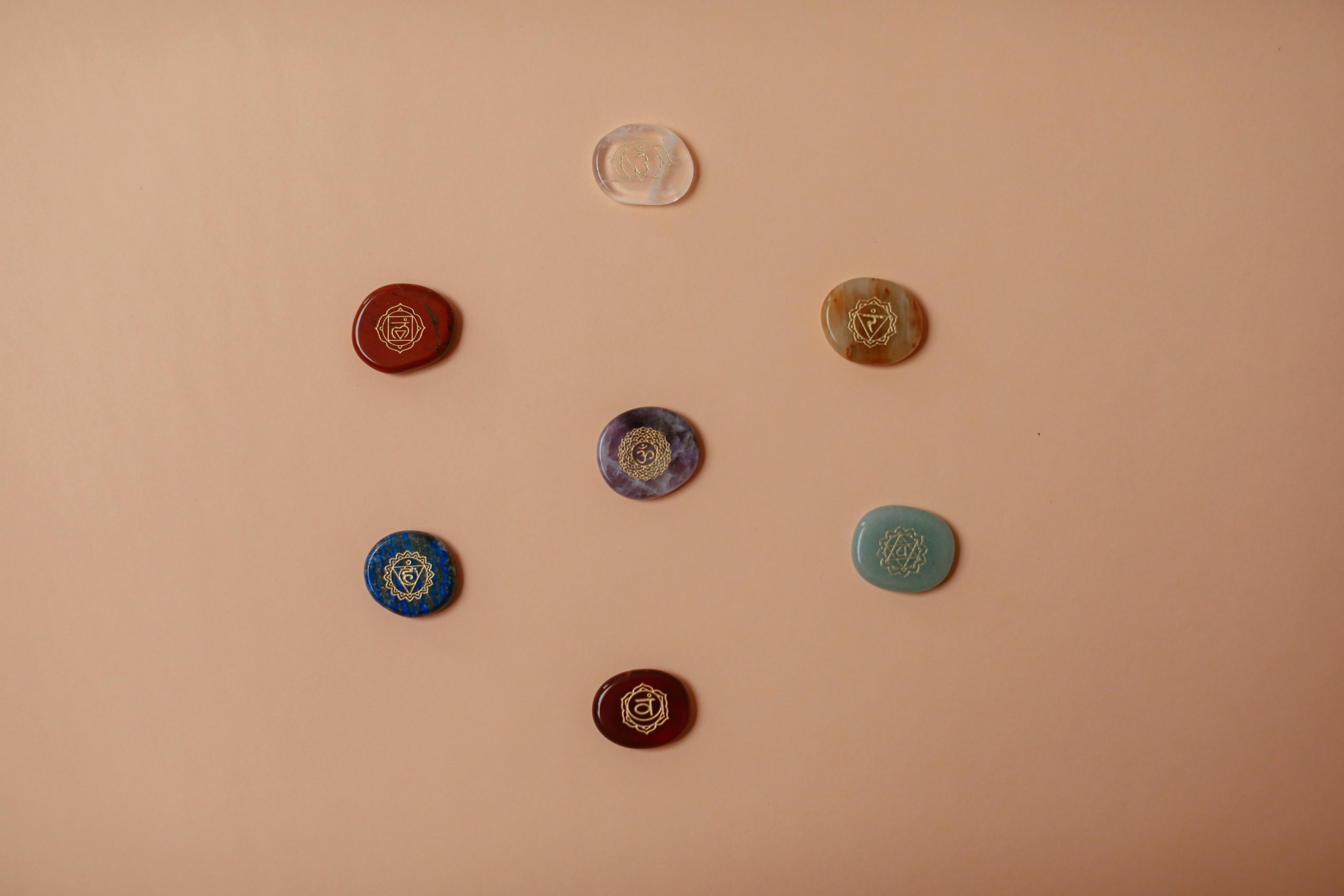
The five principles of Reiki are often taught as simple daily affirmations, but is much more than that.
For me, it was my first love in the therapeutic world.
It shaped how I understand:
- Healing
- Presence
- Nervous system regulation
Even if I don’t use Reiki as a primary method anymore, its principles still guide how I approach real, lasting change.
At first, they seem almost too simple:
- Short phrases.
- Repeated “just for today”.
- No pressure to be perfect.
And that’s exactly why they work.
Why “Just for Today” Matters
Trauma fragments time.
For a nervous system under stress:
- The past doesn’t feel over
- The future doesn’t feel safe
Big promises—“I’ll never be anxious again” or “I must always be calm”—backfire.
They trigger:
- Pressure
- Threat
- Inevitable failure
“Just for today” is neurologically smart.
It makes time manageable for the nervous system.
The brain perceives less demand.
The body softens.
Change becomes possible.
This creates a window of tolerance.
A space where:
- Learning happens
- Integration happens
- Emotions can be processed…without overwhelm.
Positive Reframing Matters
Original Reiki phrasing is often negative:
- “I will not worry”
- “I will not get angry”
The brain takes language literally.
To say “don’t worry”, it first activates the worry network.
Same with anger.
Positive reframing gives a clear direction.
It shows the nervous system what to move toward, not what to avoid.
Principle One: From Worry to Trust
Original: “Just for today, I will not worry”.
Reframed: “Just for today, I will trust”.
Worry isn’t a flaw.
It’s the brain’s protective strategy.
For someone with trauma:
- The amygdala is on high alert
- Vigilance feels like survival
The problem: worry keeps the nervous system in sympathetic overdrive.
Signs include:
- Racing heart
- Shallow breathing
- Muscle tension
- Mental loops
Over time, it wears you down.
Impacts memory, digestion, immunity, and emotional regulation.
Trust isn’t blind optimism, but:
- Allowing the present moment to be as it is
- Not rehearsing catastrophe
Practising “just for today, I will trust”:
- Signals safety to your nervous system
- Activates the parasympathetic system
- Supports calm presence
In Reiki: trust lets energy flow.
In neuroscience: it reduces the brain’s constant threat prediction.

Principle Two: From Anger to Patience and Understanding
Original: “Just for today, I will not get angry”.
Reframed: “Just for today, I will be patient and understanding”.
Anger is often misunderstood.
In trauma, it’s usually secondary:
- Your body’s response to crossed boundaries
- Needs going unmet
- Often no escape or outlet
Suppressing anger doesn’t heal.
It can create:
- Dissociation
- Chronic tension
- Depression
Healing comes from choice: feeling activation without being controlled by it.
Patience and understanding are active states.
They show a nervous system that can:
- Stay present with sensation
- Stay present with emotion
- Respond without escalating
Energetically, this balances the solar plexus and heart.
Agency without aggression.
Strength without collapse.
Principle Three: Honesty as Internal Coherence
“Just for today, I will be honest”.
Honesty here isn’t morality.
It’s congruence.
Trauma teaches us to:
- Ignore discomfort
- Minimise pain
- Keep others safe
This fragments thoughts, feelings, and body sensations.
Honesty restores connection.
It helps integrate:
- Sensation
- Emotion
- Memory
- Narrative
Previously isolated neural networks begin to connect.
Energetically, honesty restores flow.
Psychologically, it reduces internal conflict.
Principle Four: Gratitude as Nervous System Training
“Just for today, I will be grateful”.
Gratitude is often misunderstood.
Forced positivity feels invalidating.
Real gratitude is about training attention:
- Noticing safety
- Noticing connection
- Noticing meaning
The brain naturally focuses on threat.
Trauma makes this worse.
Gentle gratitude strengthens pathways for:
- Safety
- Resilience
- Emotional regulation
Energetically, it raises coherence.
Physically, it softens defensive posture.
Over time, it rebalance a system that learned to scan for danger instead of nourishment.

Principle Five: Kindness as Relational Repair
Original: “Just for today, I will be kind to every living being”.
Inclusive reframing: “Just for today, I will be kind to myself and every living being”.
Kindness to others is easier than kindness to yourself.
Trauma often leaves internalised self-criticism.
Kindness signals the nervous system that connection is possible without threat.
Self-kindness isn’t indulgence.
It’s corrective experience.
Every moment of self-compassion says:
“I can be with myself safely.”
In Reiki: kindness aligns energy.
In psychology: it restores attachment security.
Different language. Same effect.
Healing at the Root
The Five Principles don’t control behaviour.
They reshape the internal conditions from which behaviour arises.
Transformation comes from addressing the root causes:
- Dysregulated nervous systems
- Fragmented memory
- Conditioned threat responses
- Disrupted self-relationship
Practised consistently, these principles create internal safety.
Not affirmations to force belief.
Orientations that guide the system back into balance—just for today.
References and scientific foundations
- McManus, D. E. (2017). Reiki Is Better Than Placebo and Has Broad Potential as a Complementary Health Therapy. Journal of Evidence‑Based Complementary & Alternative Medicine. Review of controlled trials suggesting Reiki effects on heart rate, blood pressure and parasympathetic activation.
- Liu, K. et al. (2025). Effects of Reiki Therapy on Quality of Life: A Meta‑Analysis of Randomized Controlled Trials.
- Therapeutic effects of Reiki on anxiety: Therapeutic effects of Reiki on interventions for anxiety: a meta‑analysis (systematic review showing significant anxiety reduction).
- Autonomic Nervous System studies of Reiki: preliminary research on heart rate, vagal tone, blood pressure changes during Reiki vs control conditions (Reiki Council summary).
- Bessel van der Kolk – The Body Keeps the Score
- Porges, S. W. – Polyvagal Theory
- Psychology Today article on Neuroscience of Gratitude and Trauma — how present‑moment awareness and self‑compassion expand regulation capacity.